Interview date: 20/10/2020 // @hudsonelectronicsuk // hudsonelectronicsuk.com
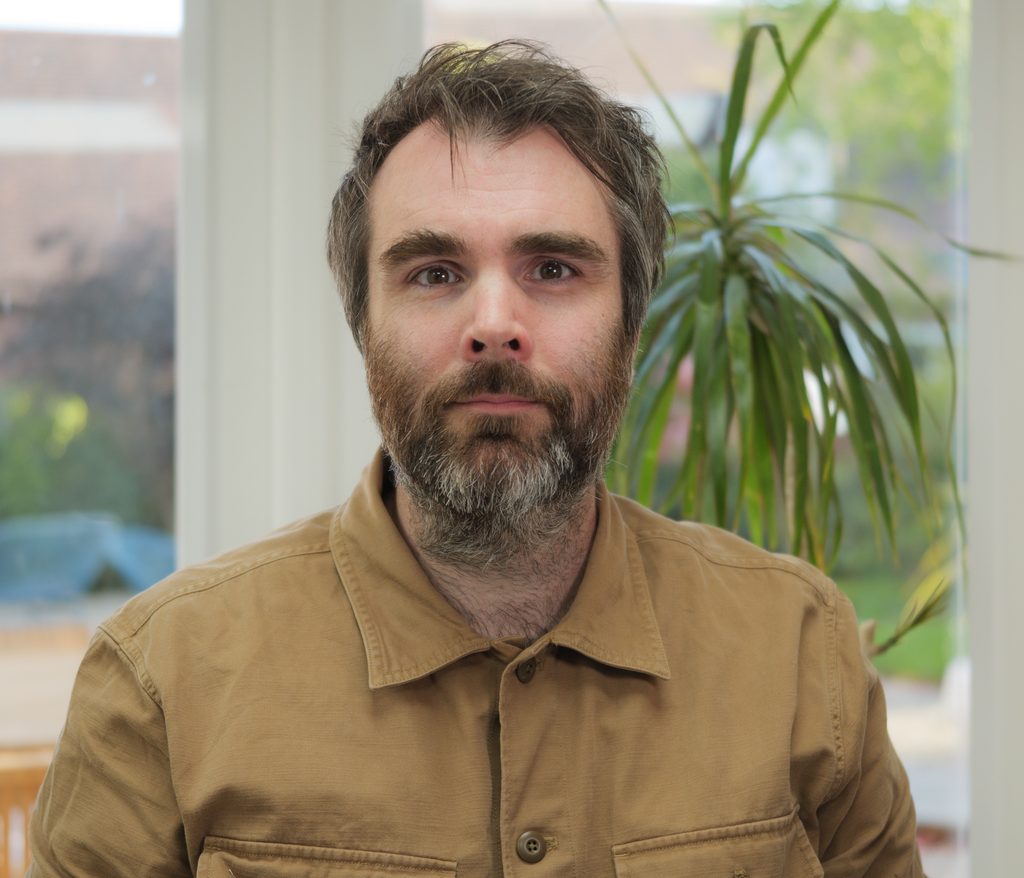
How did you start Hudson Electronics?
I started playing the guitar at 16 in various bands, and I’ve always had an interest in electronics. I got a book with various circuit designs, and I started working through a few of those. I got quite heavily into fuzz pedals and the ’60s Tone Bender-type things, and I learnt to build them from there. It was an interest in messing around, and I wanted to make different sounds rather than just being purely electronic-based. I went to university to do electronic engineering. It was much more digital-based, and I was into the more analogue side, and that wasn’t being touched, so I switched halfway through into mathematics and then kept the electronics and audio side as a bit of a hobby running in the background. I found the first year of electronic engineering had a lot of maths in it, and I worked as an accountant just after I left university, so the maths fell into that, and it has also helped in setting up and running the business. I still do my own tax returns, so it saves on that front. Maths gives you a good idea of how to profit more strategically and approach things. I’ve seen quite a few businesses that have gone wrong and businesses that have done things right. So, it’s quite a good little primer into running your own business, what to do, and other things you might want to avoid!
How do you manage the company?
The electronics is just me; I do everything from start to finish. I have the graphics plates on the fronts of the pedals laser-engraved by another firm. Pretty much everything else, from design to manufacturing, is still me; it is hand-built by me.
What has influenced the aesthetic of your pedals?
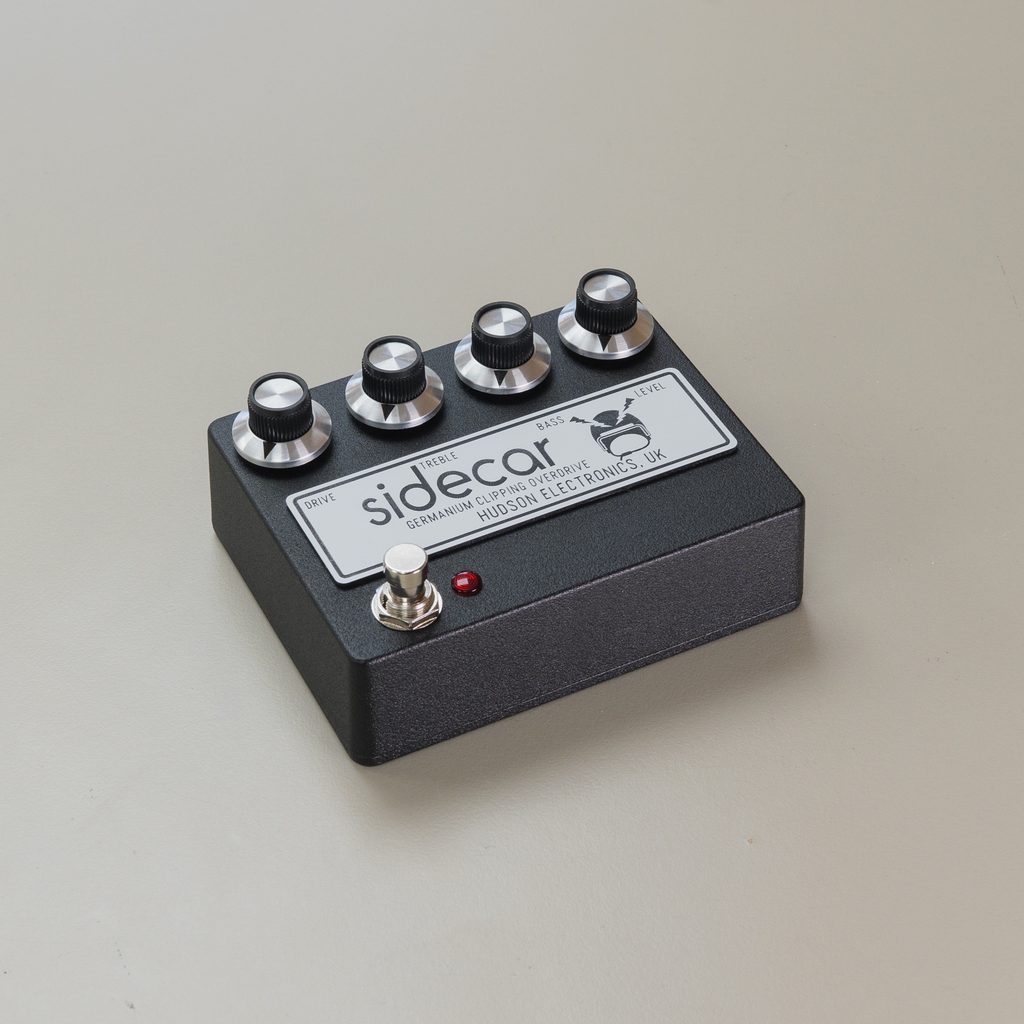
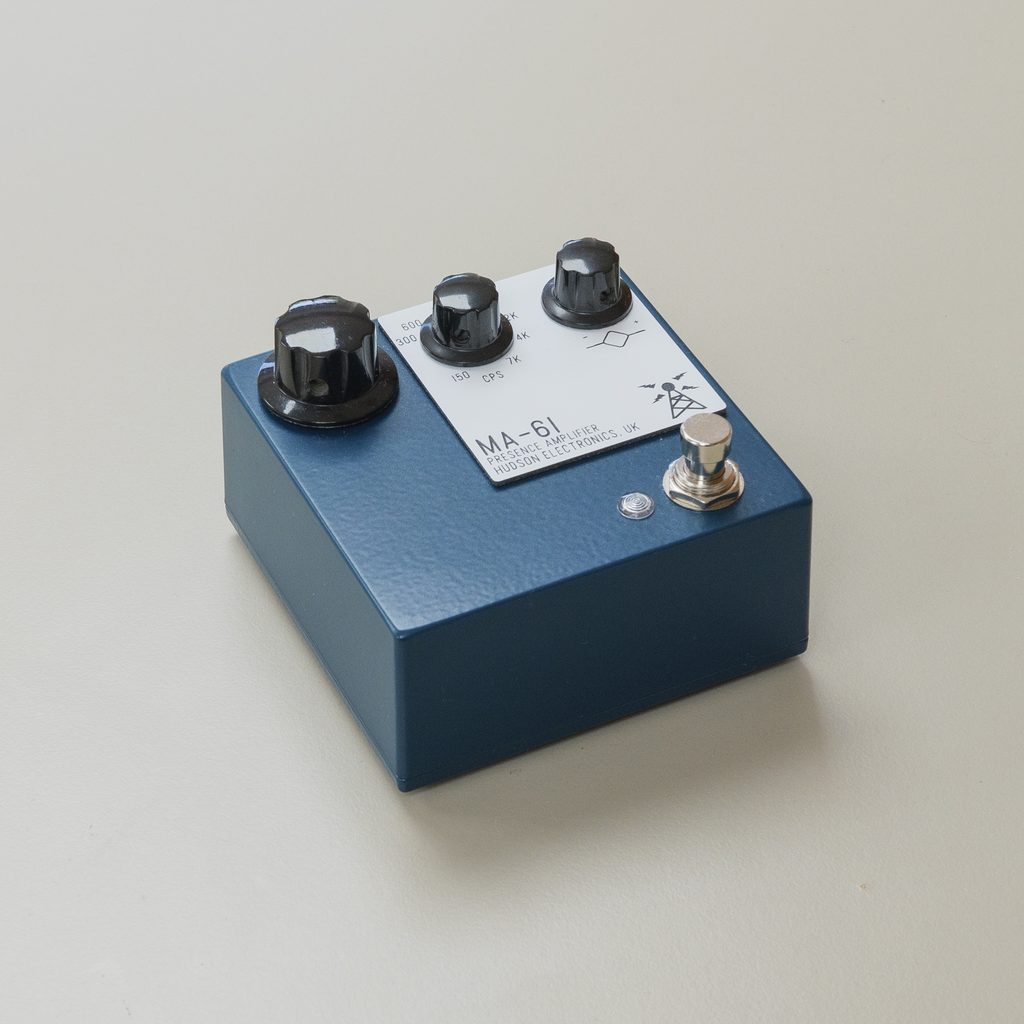
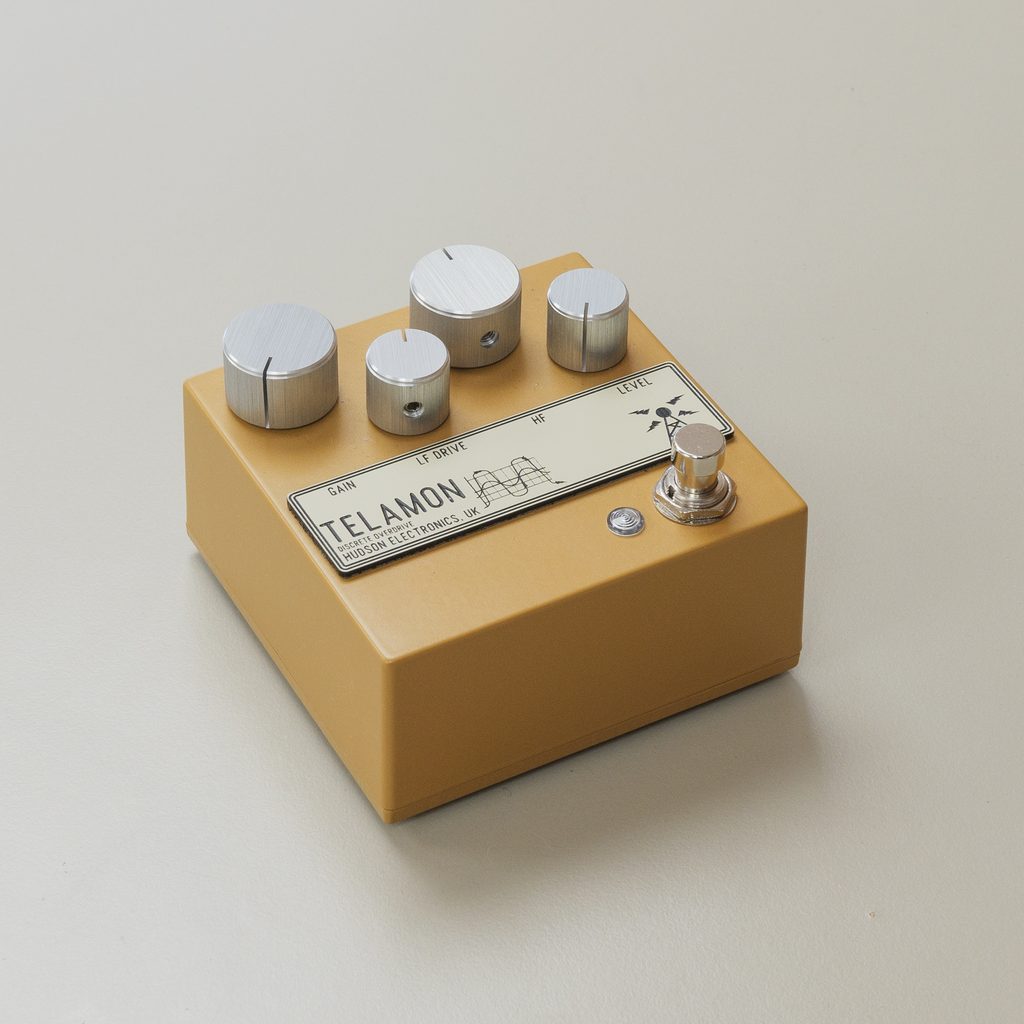
I really like the late ’60s and ’70s industrial machinery type, not necessarily just audio guitar equipment. I really like the aesthetic; they’re often muted greys or slightly turquoise blues. They would often have an engraved metal plate, which was descriptive of what it was, or it’d have a small logo. I like a more functional-looking aesthetic: minimal but nice, big controls, big knobs, and the graphics are quite simple. I like those early Tone Benders with really simple designs, either screen-printed or Letraset. I really like that sort of minimalist, functional look with slightly more muted colours.
I have done some brighter stuff in the past as custom runs, though. With some of those shorter production runs, you can test the water and see what interests people. Then other times, a dealer or a stockist would ask if I would do a limited run of something.
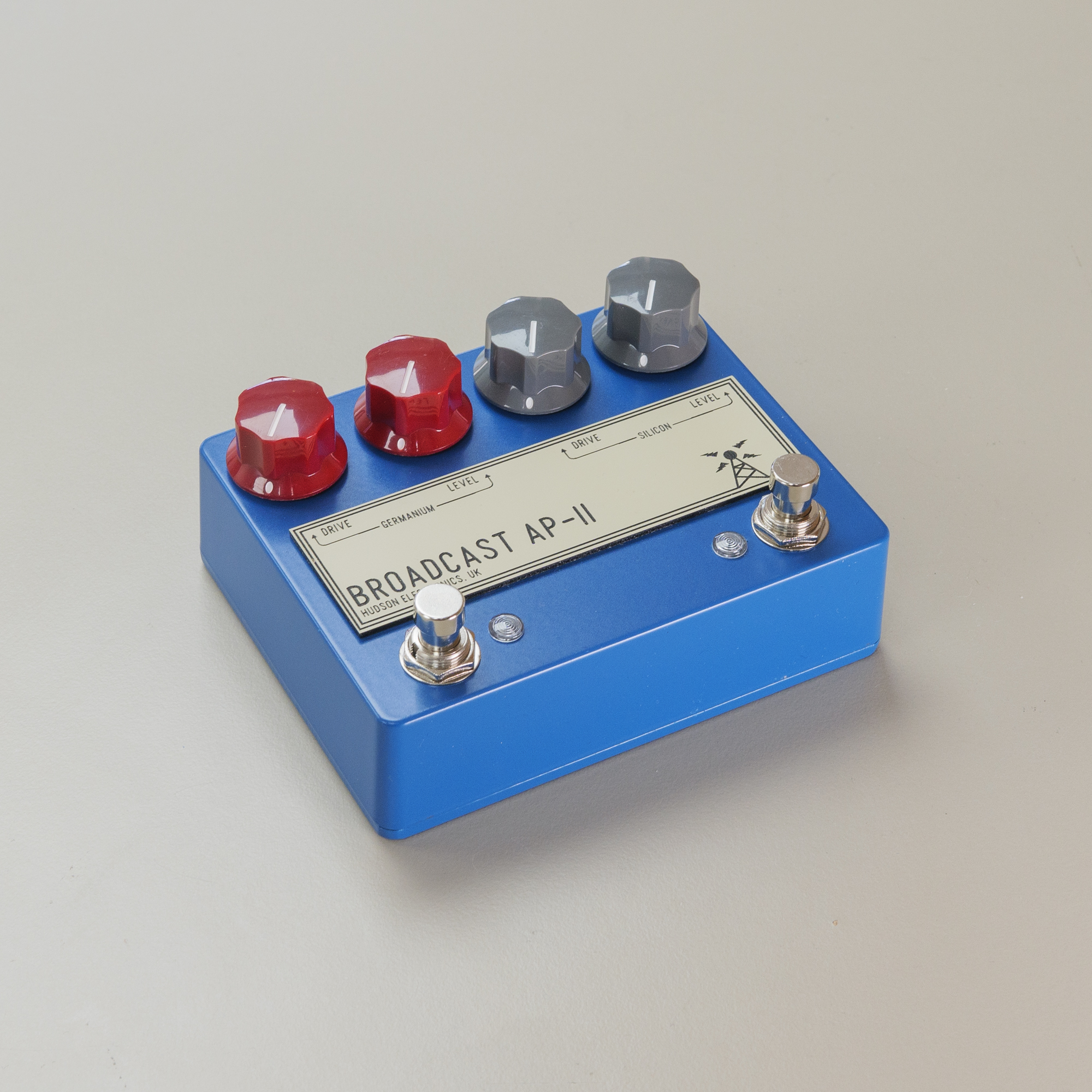
I like doing limited runs; I like playing with a different look. For Peach Guitars, I’ve done a few different versions of the Broadcast. We’ve done some quite bold orange ones with white graphics for them. There have been some magenta-coloured ones with blue, which are different from the standard range. People like the soft collectability of limited runs, and it’s also quite nice to try some new colours and see how they look.
The actual manufacturing of the front plates is outsourced; they are designed using Illustrator, and I send files across to a company in Germany that engraves them all for me.
I’ve always liked art, but as far as a formal background, the furthest I got was a GCSE in art. I moved more towards the sciences, but I’ve always really liked art and like playing with the visual aesthetics of the pedals – where the knobs are positioned has to look right to me, and I try to look for a balanced aesthetic. I’ve always done the design work myself.
I did a pedal called the Bluebird, which is based on an old Fuzzrite circuit, and I did a run of about 20 or 30 of those a while back. The name hinted towards the Buffalo Springfield song. They have a kind of rectangular-shaped body, like the original fuzz pedals – the arbitrary rectangular trapezoid-shaped body with the sloped shoulders was a nod to an older design aesthetic, with the knobs being placed on the top surface rather than on the face of the pedal. There’s just a switch on the front surface, and everything else is around the edge. I got into doing pedals with bird names for a while; I did the Bluebird and the Blackbird, and there was a Buzzard one as well; these were influenced by the illustrator Charlie Harper and his book with these slightly abstract, very geometric drawings of birds. So, these pedals were influenced by illustrations rather than the industrial style, which I have settled on now.
Many of the Maestro pedals from that era, like the Fuzz-Tone and the Filter Sample/Hold pedal, are very bold, with lots of blacks, reds and a typeface that’s a nod to that sort of ’60s and ’70s aesthetic. The Full Range Bomb I did had locks between each knob and was a bit like that.
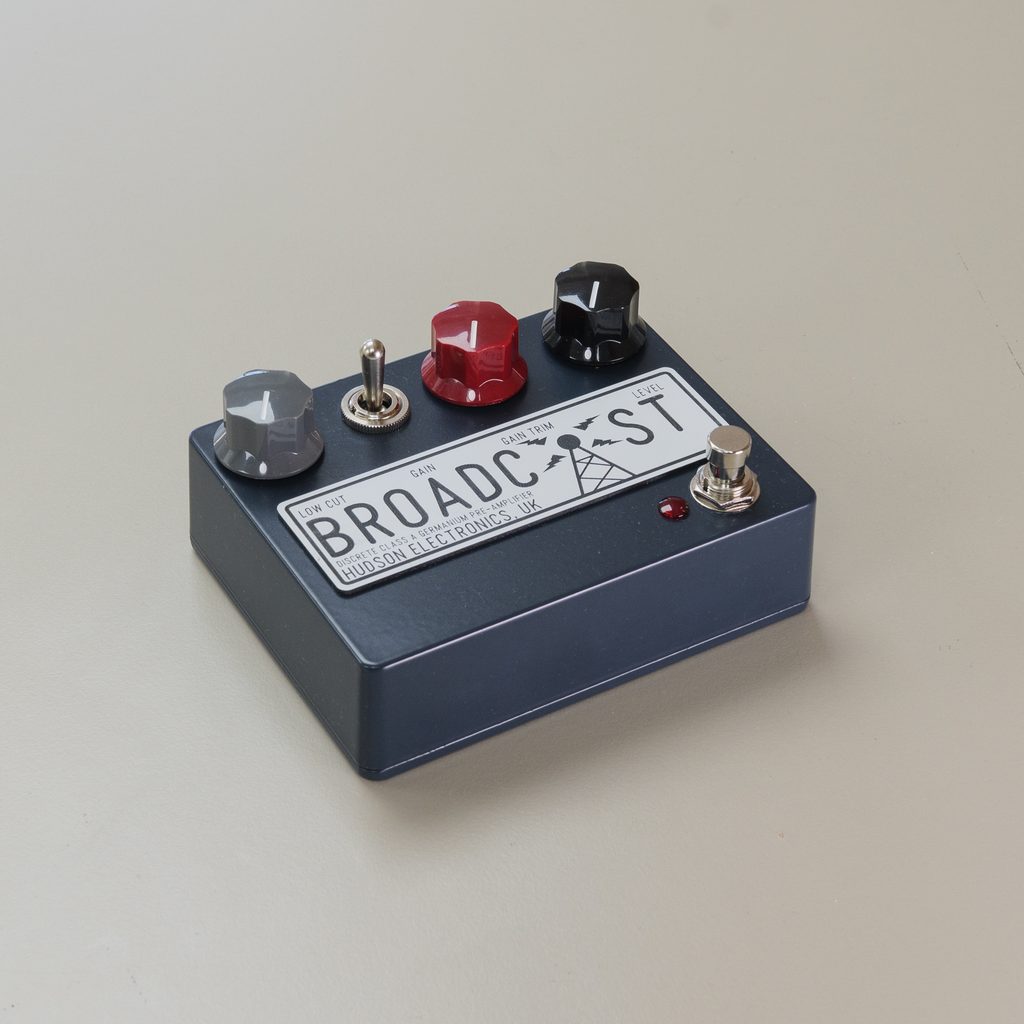
(On developing the Flamingo) Often, with electronics, it’s about trying to sort out what will work inside the pedal without making it ridiculously large. You’ve got a set of components and electronics, and it takes up its space, so some layouts aren’t possible. I was moving on from the Bluebird pedal with just a switch on the front, having the switch in its own space and then the knobs off on the side. When I’m designing the pedals, I just take the box and lay out different knobs on top of the box with soft cutouts or printed paper with graphic ideas. I’ll do that by hand and just nudge things before I lock onto a design. It’s a balancing act, and layouts are driven by electronics, so it’s often about function. The big switch that I use on my standard Broadcast is the only place it would fit inside the enclosure because of its size, so it was my starting point. And then, it’s about picking typefaces, which I think will look right on the pedal.
I don’t like knobs and switches getting too crammed together. On the Broadcast, moving the switch to one side so it has its own space is a functional thing. As well as, I quite like the aesthetic of it being off-centre, not straight down the middle, as my earlier pedals were. That was very much the classic layout: a rectangle with two knobs at the top and a central switch, where the functional part of the pedal is to keep the bits you’re standing on away from the switches and the potentiometers. I think I’m trying to make them look slightly different from everybody else because there are a lot of pedal manufacturers now, and we’re all working with the same raw materials, especially smaller volume manufacturers. It’s not practical to design an enclosure for your pedal from scratch and then have thousands of them manufactured, whereas you can buy these Hammond die-cast aluminium boxes in set sizes. I’m trying to make mine look a bit less like that standard. I quite like things being slightly off-centre; I’ll push to the side of the box. I think the designs have a board game aesthetic, too.
Your pedals have some distinctive names – where do these come from?
When I first started out, they came from the song names that influenced the pedals and the sounds being used on the records; Mr Soul was going back to the Buffalo Springfield and Neil Young folk sounds, and the Stroll On was from the Yardbirds. The bird names came from the song Bluebird, again, by Buffalo Springfield, and I thought it offered quite a nice juxtaposition between the fuzz tone and the birds. So then, I did the bird names, which weren’t really influenced by song names; the Blackbird and the Flamingo were just playing around with some names that sounded right for sort of what the pedal did, and sometimes, it added a bit of character or personality to the pedal.
The Broadcast came from an old microphone preamp I had in for repair – it was an old RCA broadcast microphone preamp they used for television. I was playing with it, and I plugged the guitar in, and it made quite an unusual sound. It was very much that direct-into-a-console kind of recorded sound. It didn’t work when I plugged it into an amplifier, so the idea for the Broadcast was to create the sound I’d heard and then try to redesign the circuit to work with the guitar and amplifier. So, that one started from the sound in my head, and then I built up a circuit on a breadboard and experimented from there. For that one, I had the name in my head because I knew it was a broadcast preamp, and that sounded like a good name for the pedal.
How important do you feel the presentation of your pedals is when it comes to sales?
It’s become a lot more prevalent in the pedal industry over the last, maybe ten to fifteen years, when there’s just been a real burst of boutique manufacturers. People love the look of the pedals as well as the sound. Some manufacturers build exactly the same version of the Rat, and they will sound very similar. I like builders who change the circuits and add their own little twists and then incorporate some really great graphic design on the front, a nice colourway, and something that is appealing to look at. I think that is a winning formula.
How do you go about developing a new pedal design?
When I first started, I did a lot of custom one-off builds for people, and they would give me a more descriptive idea of what kind of sound they wanted. Or “ I’ve heard this record; can you get a sound similar to that?” Nowadays, it’s more that I get an idea for a sound or hear a sound on the record, which I think will be an interesting thing to try and recreate. That’s how I work in terms of starting off, and sometimes the names grow from there.
Sometimes, it’s like chasing a sound, and often, you start with that sort of sound in your head, and then sometimes it morphs into something else. Then, you get that experimental idea, or you’re working on a circuit, and you experiment and mess around with it further and see if it will work.
There are lots of clones of pedals on the market, and there are direct copies; do you feel it’s important to protect your designs?
I know there will be some people who go out and lift the circuit design, and that’s fine as a lot of pedal builders have learned from looking at other people’s designs, and I think a lot of industry works from looking at other people’s designs. I wouldn’t like anyone to pass off something a customer might confuse as being one of my pedals. I’m happy if people want to look inside the pedal to work out how it’s built and look at the circuits.
How do you build your collaborations?
Ariel Posen contacted me. He had been using my standard Broadcast for a while, and he was really enjoying it. He contacted me and asked whether I’d be interested in doing a signature pedal with him. It was a really enjoyable, proper design collaboration, and he bounced ideas back. I sent him small prototypes of different pedal ideas and then went through the graphic design because we wanted a different look for the pedal. It was a bit of a change for me to switch it around to be in the portrait orientation rather than the usual way I have done it with the Broadcast. It was fun, just bouncing ideas backwards and forwards with him and talking to him about sound, discussing what would work for him and what he wanted from the pedal.
It’s dark red, not quite Maroon. We had different ideas and different colourways, and we mocked those up. And we sort of sent the one across to Ariel, and he sent through the ones he liked the best, and we went from there. We’ve been looking at some old compressors, which they used in Abbey Road, which have got very light-coloured grey faceplates on them with a black graphic, which looked quite good, so we brought those elements in. And then it was just trying to solve the graphics because I’ve been used to the Broadcast and the Sidecar, which are more like a letter plate with a naming book. Having to switch it to a more upright design means it’s a bit of a different sort of surface area, and it limits the size of the font. Before, I’d been using quite big fonts that took up a large portion of the actual plate for the name, whereas when you switch to that, you’re limited in font size.
Your pedals do one thing well. Do you enjoy working with limitations?
I like having limitations. I like having three knobs on a pedal. I often get asked if I will do a more standard tone control on the Broadcast, but I quite like that being the sound of the Broadcast. I like limitations with digital as well. It’s a bit like, with cameras and photography. Sometimes you’ve got so many choices when you’re taking a picture, the number of things you can do with it can blind you, whereas if you’ve got one choice or two or three different things you can change, you can really dial in what you want to see.
What’s next for Hudson Electronics?
I wanted to design a compressor pedal, and that is nearly done. I’m just getting it to a point which I’m happy with. I’m always trying to offer something that is familiar to people but is different sonically and has a different sound without being completely obscure.
It’s a bit tricky with it only being me, but I’ve been really lucky because the Broadcast has done really, really well; they’re still in high demand. So, it’s just balancing that, but I think there should be a new compressor on the horizon and maybe some more fuzz pedals. Perhaps something going back to when I first started out, more straight-up kind of fuzz tones. I would like to revisit those ideas and maybe sort of bring them up to date, a bit more into what I was thinking with the Broadcast and the Sidecar, and the things I did with Arial, those kinds of aesthetics as well.
With the compressor, I wanted to get something which was a bit more. Transparent is a buzzword that is floated around with compression; you want it to sound exactly like your guitar as if you haven’t got compression, but you’re compressing it to reduce the dynamics, and there are some amazing pedals which will do that. The Origin Effects stuff is really transparent and really sort of squeezes the signal. But I want to, sort of, do something that adds a bit more colour and makes it not transparent at all, almost the opposite. Not circuit-wise like, not like MXR Dyna Comp, but something which has subtle colour and characteristics, something which would add to the sound and give it a bit of an edge.
Compressors are notorious for sometimes having loads and loads of knobs, especially studio stuff. I’d really like to, sort of, dial in a compressor, which has a set number of knobs without making it super complicated and worrying about attack and release and all the ratio controls. I suppose it’s going back to the studio sort of style, the 1176 and LA-2A compressors, which added colour and character without it being an over-the-top and completely squished kind of sound.